

Kidney Care: A Step-by-Step Guide
by Vanita Dahia
Your kidneys are the unsung heroes of your physiology, the “filters of life” that tirelessly detoxify blood, balance electrolytes, and regulate blood pressure.
Yet, Chronic Kidney Disease (CKD) is often labelled a “silent killer” because it frequently progresses without symptoms until the damage is severe.
Mastering the Essentials of Renal Wellness
Understanding renal health is important for everybody from the athlete who consumes copious amount of protein powders to adults who have blood pressure, diabetes and heart issues.
It is a vital skill for anyone looking to ensure long-term longevity.
Decoding the Biomarkers
The first step toward renal wellness is moving from confusion to clarity regarding your lab results. By demystifying critical biomarkers, you can monitor your glomerular filtration efficiency:
- Creatinine: A waste product from muscle breakdown; rising levels often signal a drop in filtration rate.
- BUN (Blood Urea Nitrogen): Measures the amount of nitrogen in your blood that comes from the waste product urea.
- Urinalysis: Identifying early warning signs like proteinuria (excess protein) or hematuria (blood) can catch renal stress long before physical symptoms appear.
The Step-by-Step Roadmap to Protection
Preserving your nephrons, the functional units of the kidney, requires a proactive, multi-pronged approach:
- The Kidney Diet- Focus on high-quality, moderate protein intake while carefully managing minerals like phosphorus and potassium to reduce the metabolic workload on your “filters.”
- Hydration Protocols -Tailored fluid intake is essential to help the kidneys clear waste without causing fluid overload.
- Metabolic Management – Since hypertension and diabetes are the leading causes of CKD, tight regulation of blood pressure and glucose is non-negotiable.
- Natural Supports – Specific micronutrients and herbal supports can optimize renal resilience.
By mastering these essentials, you transition from passive observation to action of your health, slowing or even halting the decline of renal function. Protect your filters today for a healthier tomorrow.
Key Renal Biomarkers
| Biomarker | What it Measures | General “Normal” Range | What High Levels May Indicate |
| Creatinine | Waste product from muscle metabolism. | 0.7–1.3 mg/dL (men) 0.6–1.1 mg/dL (women) | Reduced kidney filtration or dehydration. |
| BUN | Nitrogen waste from protein breakdown. | 7–20 mg/dL | Kidney dysfunction, high protein intake, or heart failure. |
| eGFR | Estimated Glomerular Filtration Rate (Efficiency). | 90 or higher | A score below 60 for 3+ months suggests CKD. |
| BUN/Creatinine Ratio | The relationship between the two markers. | 10:1 to 20:1 | Dehydration (high ratio) or liver/diet issues (low ratio). |
Urinalysis Warning Signs
While blood work tells us how well the kidneys are filtering, the urine tells us if the “sieve” is leaking.
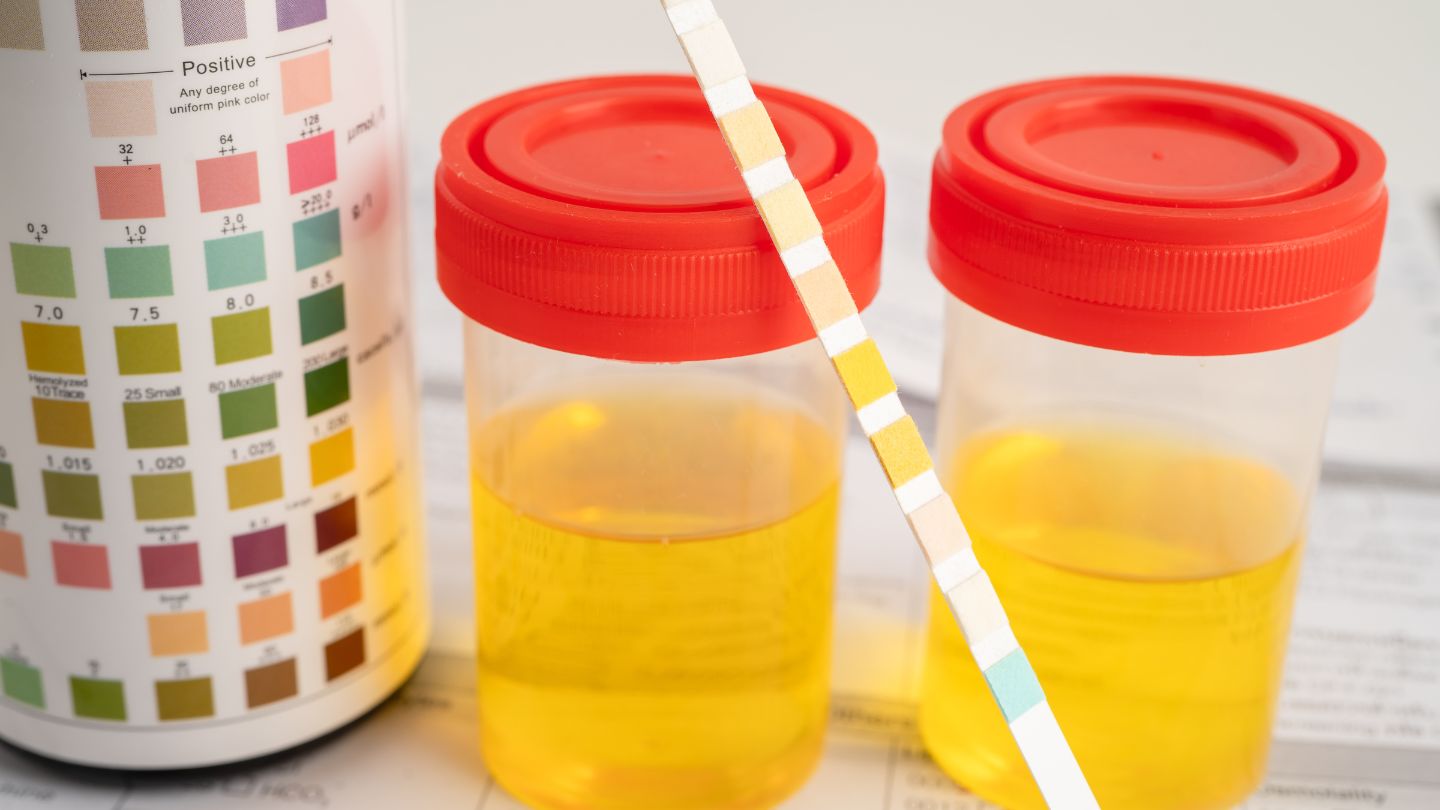
Albuminuria (Proteinuria): Healthy kidneys do not let large protein molecules pass into the urine. If protein is present, it often indicates the filters are damaged.
Hematuria: The presence of red blood cells in the urine, which may signal inflammation or infection within the renal system.
Educational Webinar
Mastering the Essentials of Renal Wellness and protecting your filters of life.
Why is it Important?
The kidneys are the body’s “filters of life,” silently detoxifying blood, balancing electrolytes, and regulating blood pressure. Despite their importance, Chronic Kidney Disease (CKD) often remains a “silent killer” until advanced stages. We will provide a comprehensive roadmap for protecting renal health through a blend of clinical understanding and proactive lifestyle management.
We dive deep into the core truths of renal physiology, demystifying critical biomarkers found in urinalysis and blood panels. By decoding the relationship between Creatinine, Urea, and Blood Urea Nitrogen (BUN), individuals can move from confusion to clarity regarding their lab results.
Beyond diagnostics, this guide outlines a “Step-by-Step” approach to the Kidney Diet and natural management strategies, including hydration protocols and micronutrient balance, designed to reduce the workload on the nephrons and preserve long-term function.
Learning Outcomes
By the end of this guide, participants will be able to:
➡️ Decoding your UEC renal biomarker results
➡️ Urinalysis Secrets: How to spot proteinuria and hematuria before they become emergencies.
➡️ How to implement a Renal-Protective Diet
➡️ Analyse CKD Chronic Kidney Disease analysis and progression
➡️ Integrated Natural Management Strategies for optimal kidney function